
How to use solid and liquid soap
Sara IdenforsIn this blog, we discuss how the solid version of soap, which was common in the past, still has its uses. Unlike modern liquid soap, solid soap has a thick consistency and was stored in packages or enamelled tubs. Solid soap is highly effective for cleaning vertical surfaces, ovens, tile grout, stainless-steel sinks, removing stains, and even cast-iron pots!
Last edited on May 8, 2024

In the past, all soap was solid – The liquid version is a modern invention!
Soap was solid and so thick that it was packaged and sold in blocks, just as butter is sold in stores today. Our solid soap is exactly like that. When buying solid soap, make sure to choose one that is genuinely solid. If you get a sticky soap with a consistency more like buttermilk, it is not the old-fashioned version. Solid soap was stored either in its package or in an enamelled “tub”. Almost every home used to have one.

When and how do you use solid soap?
1. When cleaning vertical surfaces
– Take a dab on an ecofibre cloth or sponge, moisten it lightly, and work up a thick foam. It will stay in place instead of running off like cleaning spray. Leave it to work, then wipe with a damp cloth. Shower walls can be rinsed off.
2. The oven
– Do as described above. Then place an ovenproof dish filled with water inside the oven. Turn on the oven so that the water evaporates. Let it cool, then wipe it out. Use an ecofibre cloth if needed.
3. Tile grout
– Take a dab of solid soap on the scrub brush. Scrub and wipe clean.
4. Stainless-steel sink
– Take a dab on an ecofibre cloth or sponge. Moisten, rub, rinse clean, and wipe dry.

5. Stain removal
– Take a dab of solid soap on a reasonably firm brush or an ecofibre cloth. The ecofibre cloth works well for heavy fabrics such as outerwear and workwear, while a laundry brush is better for other, more delicate materials. Moisten and scrub the stain. Wash as usual in the machine according to the care instructions. Works especially well on greasy stains.


6. Cast iron
– Cast iron should never be degreased. You have probably heard that you must not use dish soap on cast iron. That is true! But a fatty soap is something completely different. When you have a burnt cast-iron pot or pan, you can use solid, superfatted soap together with an old-fashioned dish brush made from rice root. It is highly effective and does not damage the cast iron.

7. Scrubbing rugs
– Put a dab of soap on the scrub brush, and then simply scrub.

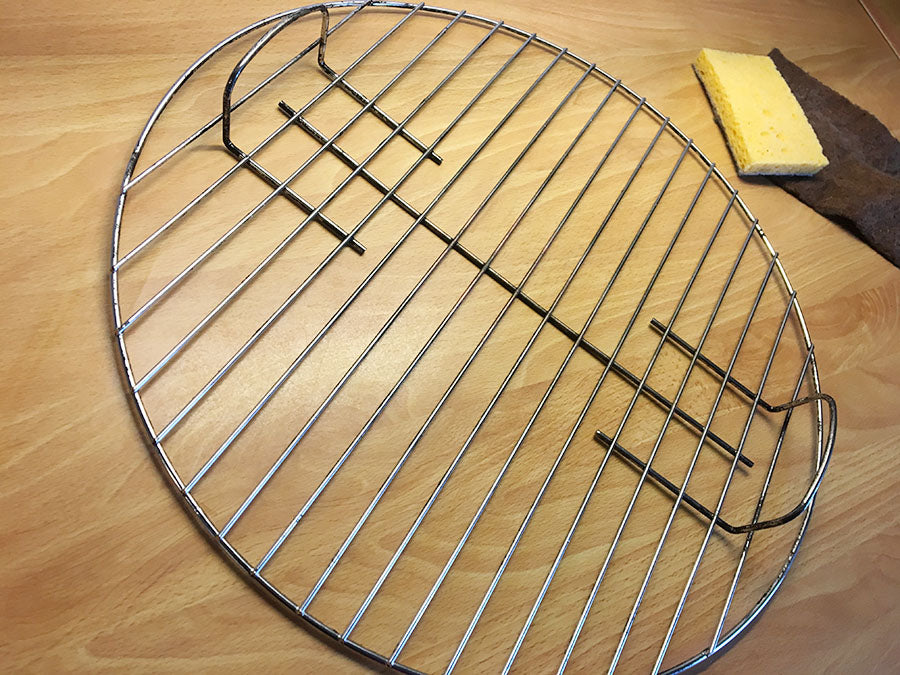
8. Grill grates
– There is an entire blog dedicated to this! Click here to read it.

Of course, there are many, many other ways to use solid soap. These are just a few examples.
9. The mop bucket
No, liquid soap is much quicker here, as it dissolves immediately in the mop water. Of course, you can dissolve the soap and use it in the mop bucket, but be prepared for it to take a couple of minutes for the solid soap to dissolve in warm water.
10. Toilet cleaner
No, liquid soap is much quicker here, as it dissolves immediately in the toilet bowl. Use liquid soap instead of strong toilet cleaners. It works just as well and is gentler both on you and the environment. Use an alkaline, superfatted soap for this. All dirt that comes from plants or animals is most easily removed with an alkaline product. A soap containing little soap and a lot of water therefore does not work as well here as a concentrated soap.
Soapa Store
_________________________________________________________________________________
- What are the benefits of using solid soap to clean the oven?
By using solid soap and an ovenproof dish with water, you can effectively clean the oven without using harsh chemicals. The water evaporates and helps dissolve the dirt.
- Why is solid soap a good option for cleaning stainless-steel sinks?
Solid soap is effective for cleaning stainless-steel sinks because its thick consistency makes it possible to effectively dissolve and remove grease and dirt without damaging the surface.
- Why should you avoid using liquid soap for certain purposes, such as the mop bucket and toilet?
Liquid soap is more practical for some purposes but may be less effective for others. For example, solid soap may be more suitable for cleaning certain surfaces, such as cast-iron pots, and may be more environmentally friendly than the harsh chemicals used for toilet cleaning.
Order natural cleaning products here: Soapa